Raising kids in the fast-paced USA means finding snacks that are quick to prepare, portable for school or activities, and actually nutritious—without the added sugars, excessive sodium, or ultra-processed ingredients that can lead to energy crashes or picky eating habits. The 2025–2030 Dietary Guidelines for Americans emphasize whole, nutrient-dense foods: fruits, vegetables, high-quality proteins (including from animal sources and plants), dairy (with flexibility for full-fat options), healthy fats, and whole grains, while limiting highly processed foods, added sugars (especially for kids under 10), and refined carbs.
This comprehensive USA guide to healthy snacks for kids covers options for toddlers, preschoolers, and school-age children. It aligns with USDA Smart Snacks in School standards, AAP recommendations, and MyPlate principles—focusing on snacks that combine at least two food groups for better satiety and balanced nutrition. Most ideas are under 200 calories per serving, easy to pack, and adaptable for common allergies (with nut-free notes).
Why Healthy Snacks Matter for Kids
Kids need 2–3 snacks daily to fuel growth, maintain stable blood sugar, and support focus at school or sports. Good snacks:
- Provide protein, fiber, and healthy fats to keep kids full longer.
- Boost intake of fruits/veggies (many kids fall short).
- Help build healthy eating habits early.
- Fit busy American lifestyles—think after-school activities, sports practices, or road trips.
Aim for snacks with minimal added sugars, whole food ingredients, and variety. For school, check Smart Snacks rules: items should be whole grain-rich, fruit/veggie/dairy/protein-based, with calorie limits (≤200 for snacks).
Age considerations:
- Toddlers (1–3): Soft, small pieces to prevent choking; focus on variety and fun shapes.
- Preschool/School-age (4+): More portable options; involve kids in prep for better acceptance.
Always prioritize water or unsweetened milk over sugary drinks.
Best Healthy Snack Ideas by Category
1. Fruit & Veggie Forward Snacks (Fiber + Vitamins)
These are naturally sweet, colorful, and easy—no cooking required.
- Apple slices or whole apples with cheese sticks or a yogurt dip.
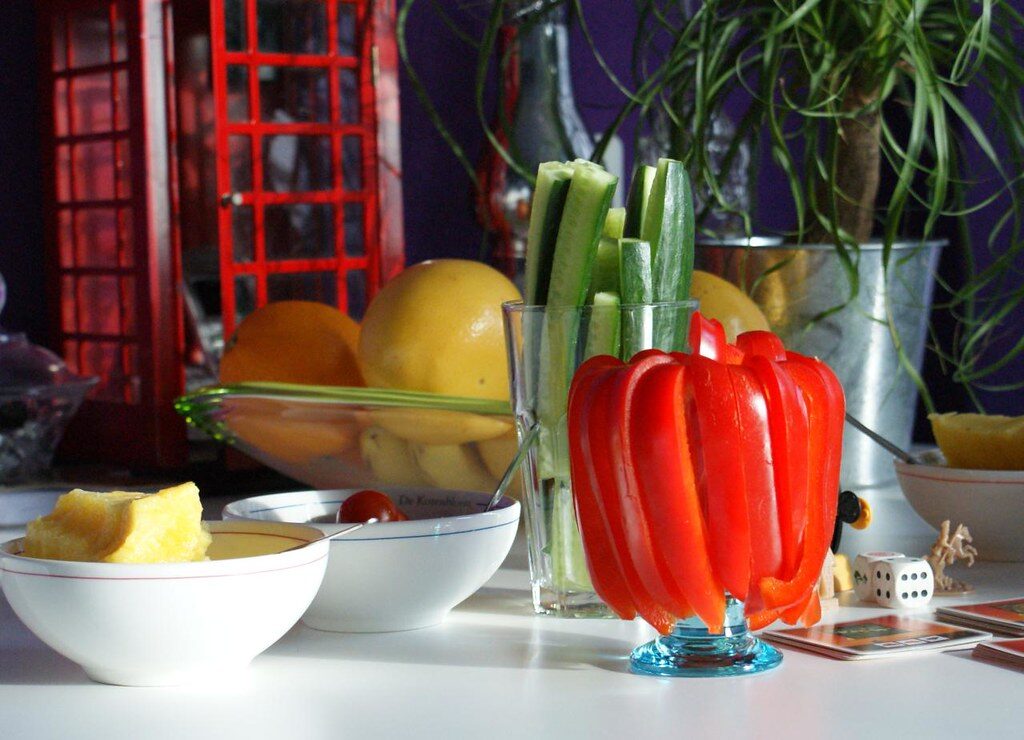
- Baby carrots, cucumber slices, or bell pepper strips with hummus or Greek yogurt dip.
- Banana with a hard-boiled egg or cottage cheese.
- Fresh berries (strawberries, blueberries) mixed with plain yogurt.
- Freeze-dried fruit or unsweetened applesauce pouches (like GoGo Squeez with no added sugar).
- Celery sticks with sunflower seed butter (nut-free alternative) or cream cheese.
Tip: Cut fruits/veggies ahead and store in clear containers for grab-and-go appeal.
2. Dairy & Protein-Packed Snacks (For Growth & Satiety)
The 2025–2030 guidelines highlight nutrient-dense proteins and dairy flexibility.
- String cheese or Babybel wheels with grapes or cherry tomatoes.
- Plain or low-sugar Greek yogurt (full-fat or reduced as preferred) topped with fresh fruit or a sprinkle of whole-grain cereal.
- Cottage cheese with pineapple chunks or cucumber.
- Hard-boiled eggs (prepped in batches) paired with whole-grain crackers or fruit.
- Cheese quesadilla on a small whole-grain tortilla with mild salsa.
Kid favorite: Yogurt parfaits layered in reusable containers the night before.
3. Whole Grain & Combo Snacks
- Whole-grain crackers (low-sodium) with cheese or hummus.
- Mini whole-grain muffins (homemade banana or pumpkin) or oatmeal energy bites (made with oats, seeds, and fruit—no nuts if needed).
- Air-popped popcorn seasoned lightly with herbs (or plain).
- Whole-grain toast with mashed avocado or a thin spread of sunflower butter.
4. Make-Ahead & Portable Snacks for Busy Mornings/School
- Homemade trail mix: Whole-grain cereal + raisins + sunflower seeds (nut-free version) or roasted chickpeas.
- Smoothies prepped in pouches: Yogurt + banana + spinach + berries (blend and freeze).
- Energy balls or bars using oats, seeds, and dried fruit (look for brands like MadeGood or 88 Acres for allergen-friendly options).
- Veggie-packed mini frittatas or egg muffins baked on weekends.
School-safe note: Many U.S. schools are nut-free or peanut-free. Opt for sunflower butter, seed-based bars, or dedicated nut-free facilities (e.g., Safe & Fair, Zee Zees).
5. Store-Bought Healthy Snacks Available Across USA
Convenient options from grocery chains like Walmart, Target, or Whole Foods:
- Unsweetened applesauce cups or fruit cups in juice (no syrup).
- Single-serve cheese sticks, yogurt tubes (low-sugar varieties), or cottage cheese cups.
- Freeze-dried fruit packets or That’s It bars (fruit-only).
- Roasted chickpeas or pea protein snacks (check labels for low sodium).
- Whole-grain Goldfish or Annie’s Cheddar Bunnies (in moderation).
Read labels: Choose items with short ingredient lists, <5g added sugar, and recognizable foods.
Healthy Snacks Comparison Table (Approximate Values for Kids’ Portions)
| Snack Idea | Key Nutrients | Approx. Calories | Prep Time | Best For | Allergy Note |
|---|---|---|---|---|---|
| Apple slices + string cheese | Fiber, protein, calcium | 150 | 2 min | School, on-the-go | Generally safe |
| Greek yogurt + berries | Protein, probiotics, antioxidants | 120–160 | 1 min | After-school | Dairy-free swaps available |
| Carrot sticks + hummus | Veggies, healthy fats, fiber | 140 | 5 min | Veggie boost | Nut-free |
| Hard-boiled egg + banana | Complete protein, potassium | 160 | Batch prep | Energy & growth | Egg-free alternatives |
| Cottage cheese + pineapple | Protein, calcium, vitamin C | 130 | 2 min | Toddlers & picky eaters | Dairy |
| Whole-grain crackers + cheese | Whole grains, protein | 180 | 1 min | Crunchy craving | Check for allergens |
Pro Tips for Healthy Snacking Success in the USA
- Involve kids: Let them choose or help assemble snacks to reduce pickiness.
- Batch prep: Wash/cut produce, boil eggs, or portion yogurt on Sundays.
- Smart swaps: Replace chips with popcorn or pretzels with veggie sticks. Use full-fat dairy if it encourages eating more veggies/protein, per updated guidelines.
- Allergy awareness: For school or playdates, stick to nut-free, top-9 allergen-free brands when possible. Sunflower butter is a reliable peanut butter alternative.
- Portion control: Use small plates or containers to avoid overeating; pair with water.
- Limit treats: Save higher-sugar items for occasional desserts. Focus on whole foods to align with limiting highly processed snacks.
- On-the-go USA life: Keep a cooler bag stocked for sports, car rides, or errands. Many options travel well in lunchboxes.
2026 Trends & School Guidelines
With the updated Dietary Guidelines, there’s growing emphasis on real foods over ultra-processed items in child nutrition programs (school meals, CACFP). Whole milk options are expanding in some settings, and there’s encouragement for more variety in proteins and produce. Expect more seed-based and veggie-forward packaged snacks that meet Smart Snacks standards.
For parties or events, offer fruit platters, yogurt dips, or veggie trays alongside any treats.
Final Thoughts: Build Healthy Habits with Everyday Snacks
Healthy snacks for kids don’t need to be complicated or expensive. By focusing on fruits, veggies, proteins like cheese/eggs/yogurt, and whole grains, you can provide steady energy, support development, and make nutritious eating fun and sustainable—whether in bustling cities like New York or family-oriented suburbs across America.
Start small: Swap one processed snack this week for a simple combo like apple + cheese. Over time, these choices add up to better health and fewer mealtime battles.
What are your family’s go-to healthy snacks? Share kid-approved ideas or allergy hacks in the comments!
This guide is for general information. Consult your pediatrician or a registered dietitian for personalized advice, especially regarding allergies, dietary restrictions, or specific health conditions. Nutrition values are approximate and vary by brand/portions. Always check current school policies.