Your brain requires specific nutrients to maintain sharp memory, focus, and long-term cognitive function. In 2026, research continues to highlight how certain whole foods—rich in omega-3 fatty acids, antioxidants, vitamins, and polyphenols—can protect against oxidative stress, inflammation, and age-related decline. Diets like the MIND diet (a hybrid of Mediterranean and DASH patterns) stand out, with studies linking higher adherence to slower brain aging and better memory performance.
This USA-focused guide covers the best foods for brain health and memory, backed by current evidence. These nutrient-dense options are widely available at grocery stores like Whole Foods, Trader Joe’s, or Walmart and fit easily into everyday meals. Aim to incorporate a variety for synergistic benefits rather than relying on any single “superfood.”
Why These Foods Support Brain Health
- Omega-3 fatty acids (especially DHA): Build brain cell membranes and support learning/memory.
- Antioxidants and polyphenols: Combat free radical damage and reduce inflammation linked to cognitive decline.
- Vitamins and minerals (K, E, B vitamins, folate, choline): Aid neurotransmitter function, blood flow, and nerve protection.
- Fiber and healthy fats: Promote gut-brain axis health and stable energy.
Consistent intake, combined with sleep, exercise, and stress management, yields the best results. The MIND diet, emphasizing leafy greens, berries, nuts, and fish while limiting fried foods and sweets, has been associated with brains appearing up to 2.5 years younger on imaging in recent studies.
Top Foods for Brain Health and Memory
1. Fatty Fish (Salmon, Sardines, Mackerel, Tuna)
Rich in omega-3s (DHA and EPA), these are among the most evidence-based brain foods. They support nerve cell structure, reduce inflammation, and may improve memory and mood. Aim for at least 1–2 servings per week. Canned or tinned versions work well and are budget-friendly.
2. Berries (Blueberries, Strawberries, Blackberries, Raspberries)
Antioxidant powerhouses packed with flavonoids and anthocyanins. Regular consumption is linked to slower cognitive aging, better memory, and improved brain cell communication. Eat 1–2 cups several times weekly—fresh, frozen, or in smoothies. Blueberries often top lists for their potent effects on the hippocampus (memory center).
3. Leafy Greens (Spinach, Kale, Collards, Swiss Chard)
Loaded with vitamin K, lutein, folate, and beta-carotene. Higher intake correlates with slower cognitive decline and better thinking skills. Aim for 6+ servings per week (1 cup raw or ½ cup cooked). Add to salads, smoothies, omelets, or sautés.
4. Nuts and Seeds (Walnuts, Almonds, Pumpkin Seeds, Chia, Flax)
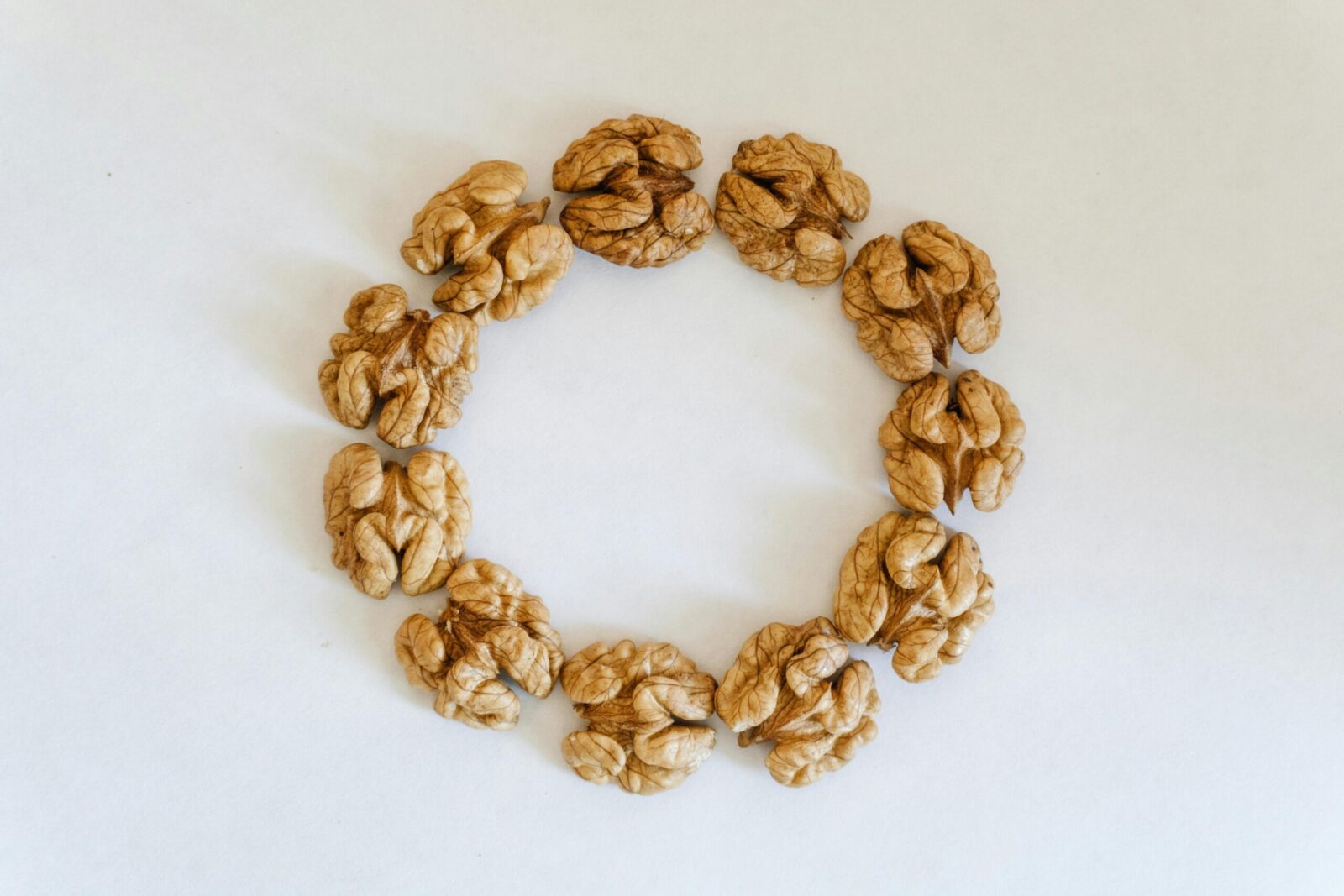
Provide vitamin E, healthy fats, zinc, magnesium, and plant-based omega-3s (ALA in walnuts). A handful daily (about ¼ cup) supports nerve signaling and may improve cognitive test scores. Walnuts stand out for their brain-like shape and ALA content.
5. Eggs
Excellent source of choline, which helps produce acetylcholine—a neurotransmitter crucial for memory and learning. Include the yolk for full benefits. Enjoy 1–2 eggs several times weekly in scrambles, hard-boiled, or baked dishes.
6. Broccoli and Cruciferous Vegetables
High in fiber, antioxidants, vitamin K, and compounds that fight inflammation. They support memory formation and protect nerve cells. Steam, roast, or add to stir-fries.
7. Whole Grains (Oats, Brown Rice, Quinoa)
Supply steady energy via complex carbs, B vitamins, and fiber. They help maintain blood sugar stability, which benefits focus and prevents brain fog. Choose minimally processed options.
8. Beans and Lentils
Plant-based protein, fiber, and B vitamins that support brain energy and gut health (via the gut-brain axis). Add to salads, soups, or bowls for sustained benefits.
9. Olive Oil (Extra-Virgin)
Primary fat in brain-protective diets. Its polyphenols improve blood flow to the brain and reduce oxidative stress. Use as your main cooking or dressing oil.
10. Dark Chocolate (70%+ Cocoa) and Other Extras
Flavonoids in dark chocolate enhance cerebral blood flow. Moderate amounts (1–2 oz a few times weekly) may aid memory. Coffee/tea (in moderation) and turmeric (curcumin) also show promise for anti-inflammatory effects.
Brain-Healthy Foods Comparison Table
| Food Category | Key Nutrients | Brain Benefits | Suggested Serving Frequency | Easy Ways to Enjoy |
|---|---|---|---|---|
| Fatty Fish (Salmon) | Omega-3s (DHA/EPA) | Builds brain cells, reduces inflammation | 1–2 servings/week | Grilled, baked, or canned in salads |
| Berries (Blueberries) | Flavonoids, antioxidants | Improves memory, slows cognitive aging | 2+ servings/week | Fresh, in yogurt, smoothies, oatmeal |
| Leafy Greens (Kale/Spinach) | Vitamin K, lutein, folate | Slows decline, supports cognition | 6+ servings/week | Salads, smoothies, sautéed sides |
| Nuts/Seeds (Walnuts) | Vitamin E, ALA omega-3s, magnesium | Nerve protection, better test scores | 5+ servings/week (handful daily) | Trail mix, on salads, or as snacks |
| Eggs | Choline, B vitamins | Memory neurotransmitter support | Several times/week | Scrambled, hard-boiled, in bowls |
| Broccoli | Fiber, vitamin K, antioxidants | Fights inflammation, memory formation | 3+ servings/week | Roasted, steamed, or in stir-fries |
| Olive Oil | Polyphenols, healthy fats | Better blood flow, anti-oxidative | Daily as main oil | Dressings, cooking, drizzling |
Practical Meal Ideas Incorporating Brain Foods
- Breakfast: Greek yogurt with blueberries, walnuts, and a sprinkle of chia seeds.
- Lunch: Grilled salmon or tuna salad over mixed leafy greens with olive oil dressing, cherry tomatoes, and beans.
- Snack: Hard-boiled egg with carrot sticks or a handful of pumpkin seeds and dark chocolate.
- Dinner: Stir-fried broccoli and other veggies with lean poultry or tofu, served over quinoa, drizzled with olive oil.
- MIND Diet–Inspired Bowl: Brown rice or quinoa base + leafy greens + berries + nuts + beans + grilled fish or chicken.
Pro Tips for Maximizing Brain Benefits
- Consistency over perfection: Focus on patterns like the MIND diet rather than occasional “superfood” meals.
- Combine with lifestyle: Pair these foods with regular physical activity, quality sleep (7–9 hours), and mental stimulation.
- Portion and variety: Rotate options to get a broad spectrum of nutrients. Use frozen berries and canned fish for convenience and affordability.
- Limit brain-drainers: Reduce ultra-processed foods, added sugars, fried items, and excessive red meat.
- USA accessibility: These foods are staples in American grocery stores. Look for wild-caught or sustainably sourced fish and extra-virgin olive oil.
- Special considerations: Consult a doctor or dietitian if you have conditions like high cholesterol (for eggs/fish) or follow plant-based diets (emphasize algae-based omega-3s or fortified foods).
2026 Trends and Research Highlights
Recent studies reinforce the MIND diet’s benefits, showing associations with slower brain shrinkage and better long-term cognitive health. Emphasis grows on the gut-brain axis (fiber-rich foods like beans and greens), anti-inflammatory patterns, and whole-food approaches over supplements. Harvard research notes multiple healthy diets (including Mediterranean-style) support brain sharpness as we age.
Final Thoughts: Nourish Your Mind with Everyday Foods
The best foods for brain health and memory—fatty fish, berries, leafy greens, nuts, eggs, and olive oil—offer powerful, evidence-based support for cognition at any age. By building meals around these nutrient-dense choices, you can help protect memory, enhance focus, and promote lifelong brain resilience.
Start small: Add a handful of berries and greens daily, or swap in salmon once a week. Over time, these habits compound for noticeable benefits in clarity and vitality.
What’s your favorite brain-boosting food or recipe? Share your tips in the comments!
This guide provides general information based on current research. Individual needs vary. Consult a healthcare professional or registered dietitian for personalized advice, especially regarding dietary restrictions, allergies, or medical conditions. Nutrition benefits are supported by observational and some intervention studies but are not a substitute for medical treatment.
Optimized for searches like “best foods for brain health and memory 2026,” “foods to improve memory,” “MIND diet foods,” “brain boosting foods USA,” and more.